
IPL Photofacial in Highland Park
Fade the spots. Calm the redness.
An IPL photofacial uses broadband light to target the brown spots, sun damage and visible redness that dull your complexion — revealing clearer, more even-toned skin over a short series of treatments.
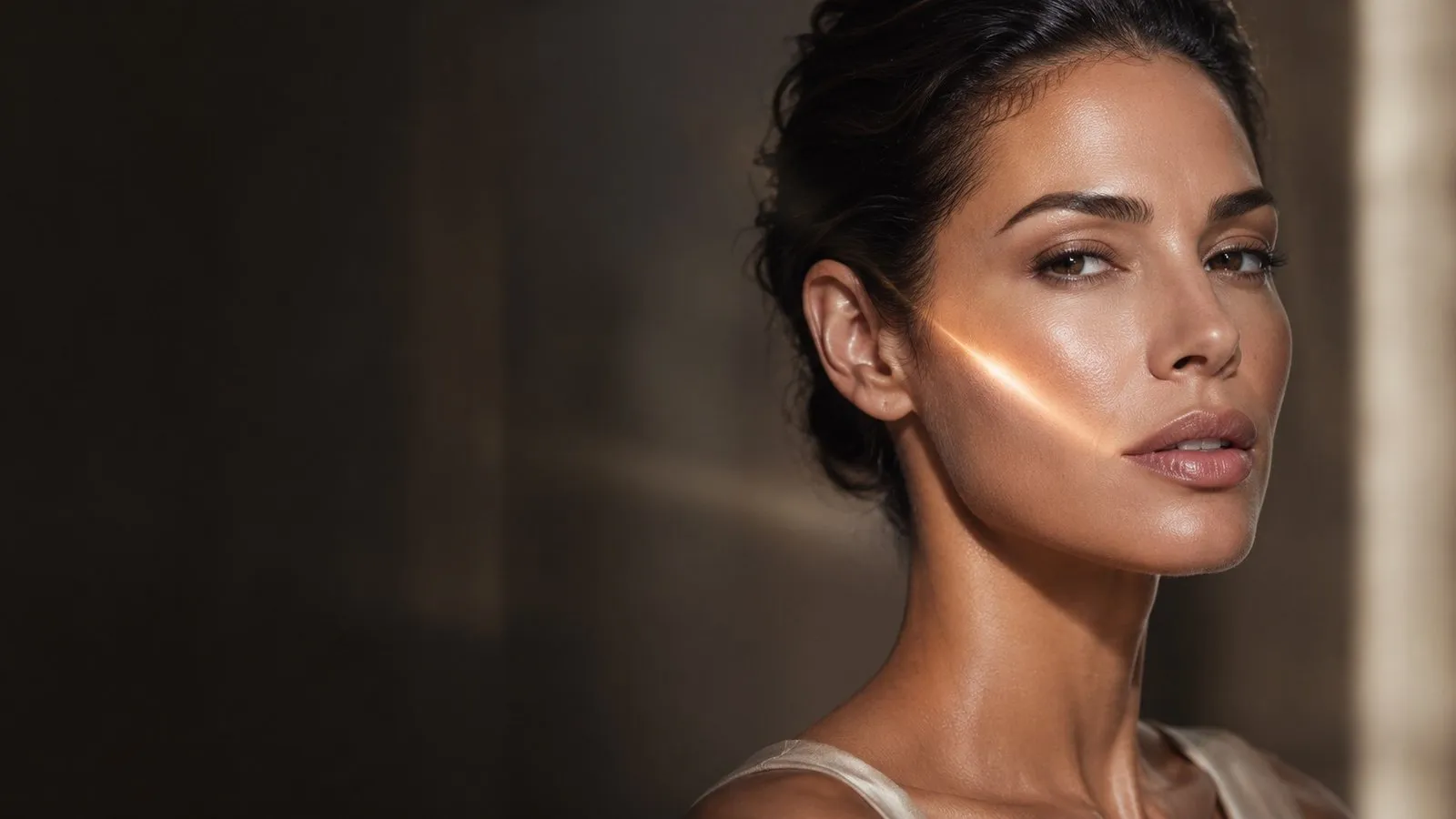
“I have good skin, but it has a bit of pink in it and some vascular problems. So IPL really helps. I also have very sensitive skin and she never overdoes the IPL and that is supremely important for sensitive skin.”
“Cleanest place I've been to! I loved the IPL photofacial! DK and all of staff are the sweetest and genuine people I've ever met!”
“Dk is absolutely amazing! … From the moment you step into the MedSpa, you feel welcomed. She is so knowledgeable and kind. I cannot recommend her and her services enough!”
“DK is my girl! I have been going to her for over a year now and every time I leave happy … I would definitely recommend giving her a try!”
Book Online · Step 1 of 2
Choose Your IPL Plan
Every focus is the same price — we set the filter for your skin at your visit.
Prefer to talk? (847) 780-8748
Every session is matched to your skin tone and concern. Individual results vary.
What Is an IPL Photofacial?
An IPL photofacial at DK Aesthetics uses the medical-grade IPL handpiece — intense pulsed light, filtered broad-spectrum light rather than a single-wavelength laser — to improve skin tone and clarity. The light is absorbed by melanin and hemoglobin, so it can fade sun spots and brown spots, reduce facial redness and visible blood vessels (including rosacea-related redness), and refresh overall sun-damaged tone; we select the filter and settings for your skin tone and your concern. After treatment, brown spots often darken and then flake away over several days. IPL may be suitable for lighter skin tones (Fitzpatrick I–III) after an individual assessment and is not recommended on recently tanned or darker skin, where the risk of burns or pigment changes is higher. It's a pigment-and-redness treatment; for deep wrinkles or texture, fractional RF or microneedling is the better fit.
Key Takeaways
- IPL is broadband light, not a laser — photorejuvenation for tone and clarity.
- Best for sun/brown spots and facial redness/vessels (incl. rosacea redness).
- Brown spots typically darken then flake off over several days.
- Best suited to lighter skin tones; not for recently tanned/darker skin.*
- A series of 3–5 sessions; minimal downtime. For deep wrinkles or texture, pair with fractional RF or microneedling.
What Brings Clients In
Sun spots that makeup barely hides, persistent facial redness, and dull, uneven tone — these are the three things we hear most before clients try an IPL photofacial.
- 01
Spots That Stayed After Summer
Each summer adds a few brown spots, and they stay long after your tan has faded.
Targets and fades excess pigment - 02
Cheeks That Look Flushed All Day
A warm room or a glass of wine, and the redness rises — tiny red lines around your nose stay put.
Reduces redness and visible vessels - 03
Foundation for a Quick Errand
Your skin tone looks blotchy and tired, so even a quick coffee run starts with foundation.
Evens tone for a clearer complexion
Light That Reads Your Skin
Broadband pulses that home in on the pigment and vessels behind an uneven complexion.
- 01
Consultation & Skin Check
We confirm IPL suits your skin tone and concerns — and check for recent sun exposure — then select the right filter and settings for your target.
- 02
Broadband Light Pulses
Our IPL handpiece delivers broadband pulses absorbed by brown spots (melanin) and blood vessels (hemoglobin).
- 03
Pigment Breaks Up
Treated spots darken as the pigment is targeted; visible vessels are reduced.
- 04
Flake & Reveal
Over several days, brown spots flake away to reveal clearer, more even skin.
Because IPL targets color — brown pigment and red vessels — it's brilliant for sun damage and redness, but for deep lines or texture we'll steer you to fractional RF or microneedling. Matching the treatment to the right concern is what gets great results.
Sources: Intense Pulsed Light (IPL) Therapy (StatPearls / NCBI); American Academy of Dermatology — lasers & lights for rosacea (citing a 50–75% reduction in visible vessels after 1–3 treatments) and treating sun-damaged skin. IPL is best for lighter skin tones; risk is higher on tanned or darker skin.

Goodbye, Sun Spots
Sun-induced brown spots and freckle-like lentigines are IPL's classic target. The light is absorbed by the excess melanin, which breaks up and rises to the surface — the spots darken like 'coffee grounds' and then flake away over several days, leaving clearer, more even-toned skin.
- Fades sun spots and brown patches
- Spots darken, then flake off in days
- Brighter, more even overall tone

Calm the Flush
IPL also targets hemoglobin in tiny blood vessels, making it effective for facial redness and the visible capillaries associated with rosacea. Dermatology sources report a notable reduction in visible vessels after just a few sessions, for a calmer, more uniform complexion.
- Reduces facial redness & visible vessels
- Helps rosacea-related redness
- Calmer, more uniform complexion
Why Clients Choose IPL
A clearer, brighter, more even complexion — with little downtime.
Fades Sun Spots
Breaks up excess brown pigment from years of sun exposure.
Reduces Redness
Calms flushing and shrinks visible facial vessels.
Evens Skin Tone
For a clearer, brighter, more uniform complexion.
Minimal Downtime
Back to your day; treated spots flake away over several days.
Photorejuvenation
Refreshes the look of overall sun-damaged skin.
Quick Series
Typically just 3–5 sessions to see your results build.
Perfect For
Which sounds like you?
“Years in the sun left me with brown spots I can’t cover.”
“My face is always red and I have little visible veins.”
“My skin tone looks blotchy and tired overall.”
“I want clearer, brighter skin for an upcoming event.”
Before & After
Explore real client transformations.


Frequently Asked Questions
Everything you need to know about IPL Photofacial at DK Aesthetics.
IPL is best for sun spots and brown spots, facial redness and visible blood vessels (including rosacea-related redness), and overall sun-damaged, uneven tone. For deep wrinkles or texture, fractional RF and microneedling work at that deeper level.
No. IPL uses broadband (many-wavelength) pulsed light, while a laser uses a single, focused wavelength. The medical-grade IPL handpiece we use has interchangeable filters, so the light can be matched to your skin tone and to the concern we're treating — surface pigment or facial redness. The broadband approach is what makes IPL great for photorejuvenation.
Most clients tolerate it very well. Each pulse feels like a quick, warm snap against the skin (often compared to a light rubber-band flick), followed by a mild, sunburn-like warmth for a short time afterward. We keep you comfortable throughout, and most people find it very manageable without numbing.
Minimal. For brown spots, expect them to darken and look like "coffee grounds," then flake off over several days. There may be mild redness or warmth for a few hours. Most people return to normal activities right away.
IPL may be suitable for lighter skin tones (Fitzpatrick I–III) after an individual assessment, and that's where it works best. On darker or recently tanned skin, the risk of burns or pigment changes is higher, so we'll assess your skin carefully and may recommend a different treatment.
Typically about 3–5 sessions spaced a few weeks apart, with maintenance as needed. Sun damage and redness usually improve gradually across the series.
It’s completely normal for sun spots and freckles to look darker — even like tiny coffee grounds — in the days right after IPL. That’s the treated pigment rising to the surface. Over the next week to ten days it flakes off on its own, revealing clearer skin underneath. Don’t pick or scrub; just cleanse gently and protect with daily SPF. Individual results vary.
We're cautious here. Melasma is a hormonally driven type of pigmentation, and dermatology guidance treats sun protection plus prescription topicals as the first-line approach — not IPL or laser. Light-based treatment is only ever an add-on for melasma, and the evidence is mixed: in some people it can actually trigger the pigment to rebound, darken or return within a few months. If melasma is your concern, we'll talk through safer first steps at your consultation.
IPL isn't right for everyone. We generally avoid it during pregnancy or breastfeeding and on recently tanned or sunburned skin, and we take extra care with a history of cold sores (which the light can flare) and with darker skin tones, where the risk of burns or pigment changes is higher. Some medications can also make skin more light-sensitive. Tell us your full health history and medication list — including anything like recent isotretinoin — and we'll confirm whether IPL is a safe fit, and the right timing, at your consultation.
An IPL photofacial is $500 per session at DK Aesthetics in Highland Park. Sun spots and redness clear in layers rather than all at once, so most plans run as a series of sessions spaced a few weeks apart — the number of sessions is what shapes the total, and we set it out at your consultation once we have looked at your skin. The price is the same whether the focus is overall tone, pigmentation or redness, and a package of three sessions is $1,350, $150 less than three single sessions. Individual results vary.


More transformations: @dkshomeofaesthetics on Instagram
Sources & References
IPL is best suited to lighter skin tones; on darker or recently tanned skin the risk of burns and pigment changes is higher. It targets pigment and redness, not deep wrinkles or texture. This page is educational, not medical advice. Suitability is assessed at consultation. Individual results vary.
DK Aesthetics
1280 Old Skokie Valley Road, Highland Park, Illinois 60035
Mon–Sat 9AM–9PM · Sunday by Appointment